
Menu

EN

Two new headsets announced within two weeks of each other, a major Apple update, Blender adding native support for real-world 3D scene capture, and Unity shipping a built-in AI assistant: fall 2026 is shaping up to be a pivotal moment for teams investing in immersive technology and artificial intelligence in industry.
These aren't lab experiments — they have direct implications for real decisions, from choosing the right hardware to train your technicians to the tools your XR partners use to produce your content. Understanding what's changing now means getting ahead of your 2027 projects.
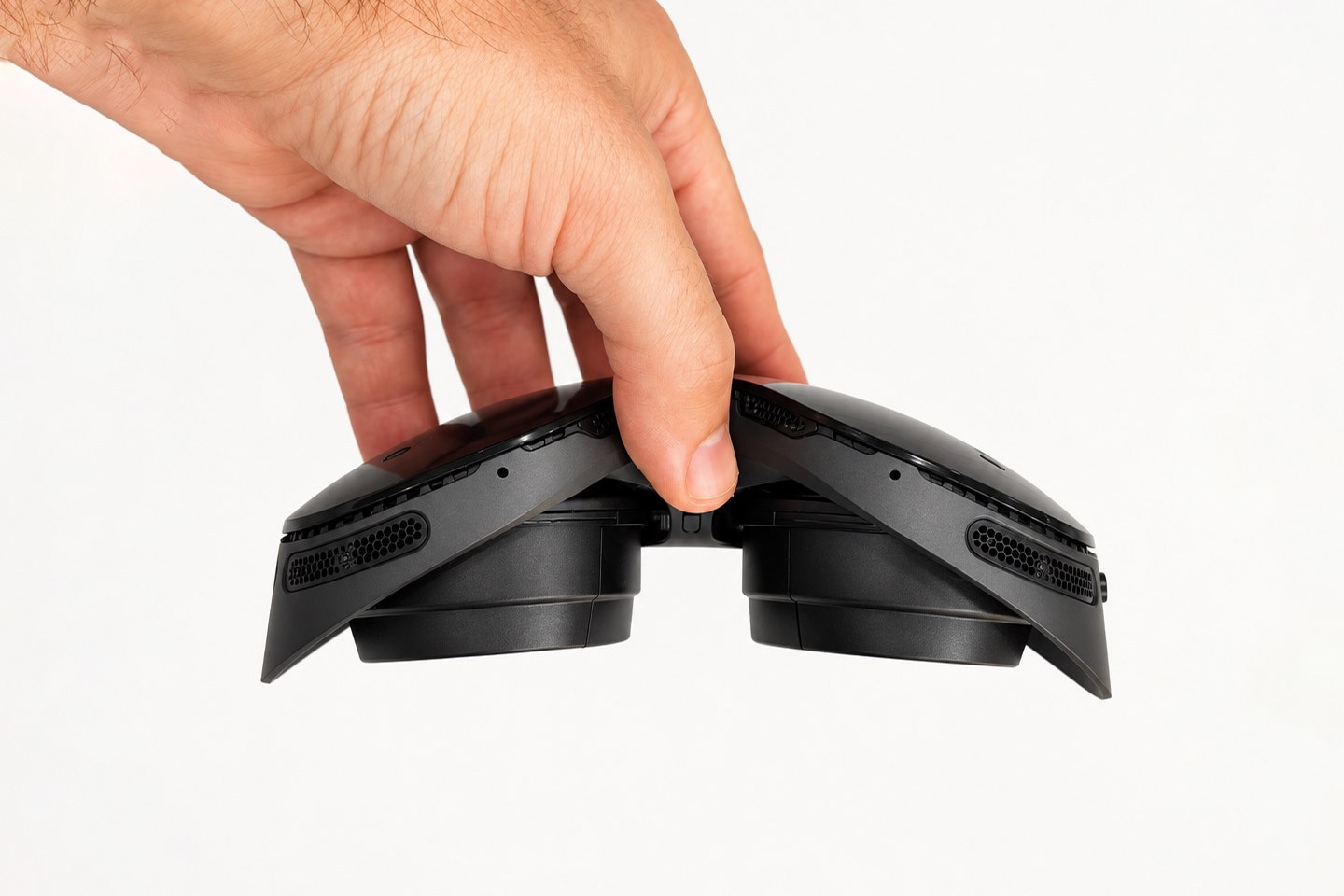
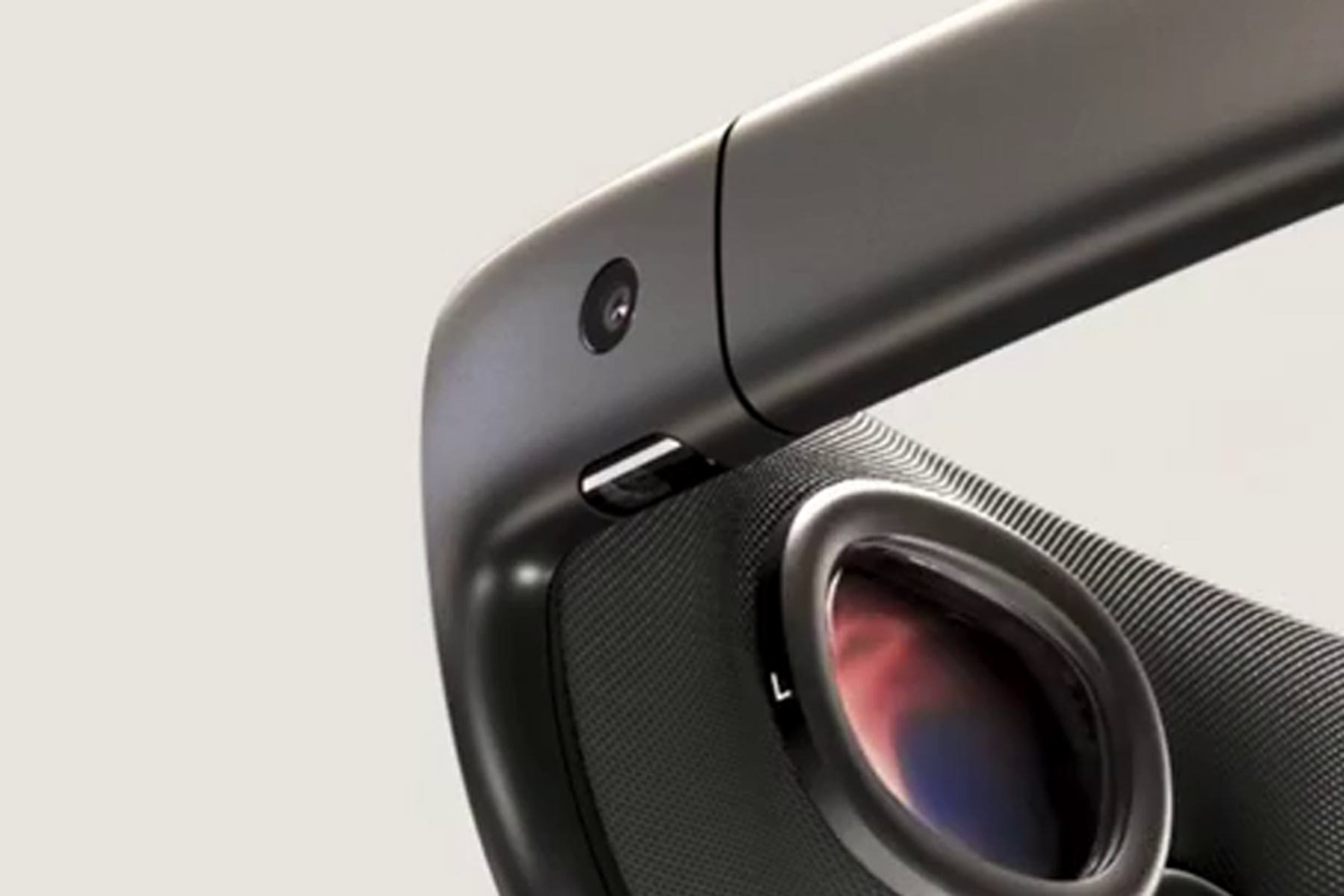
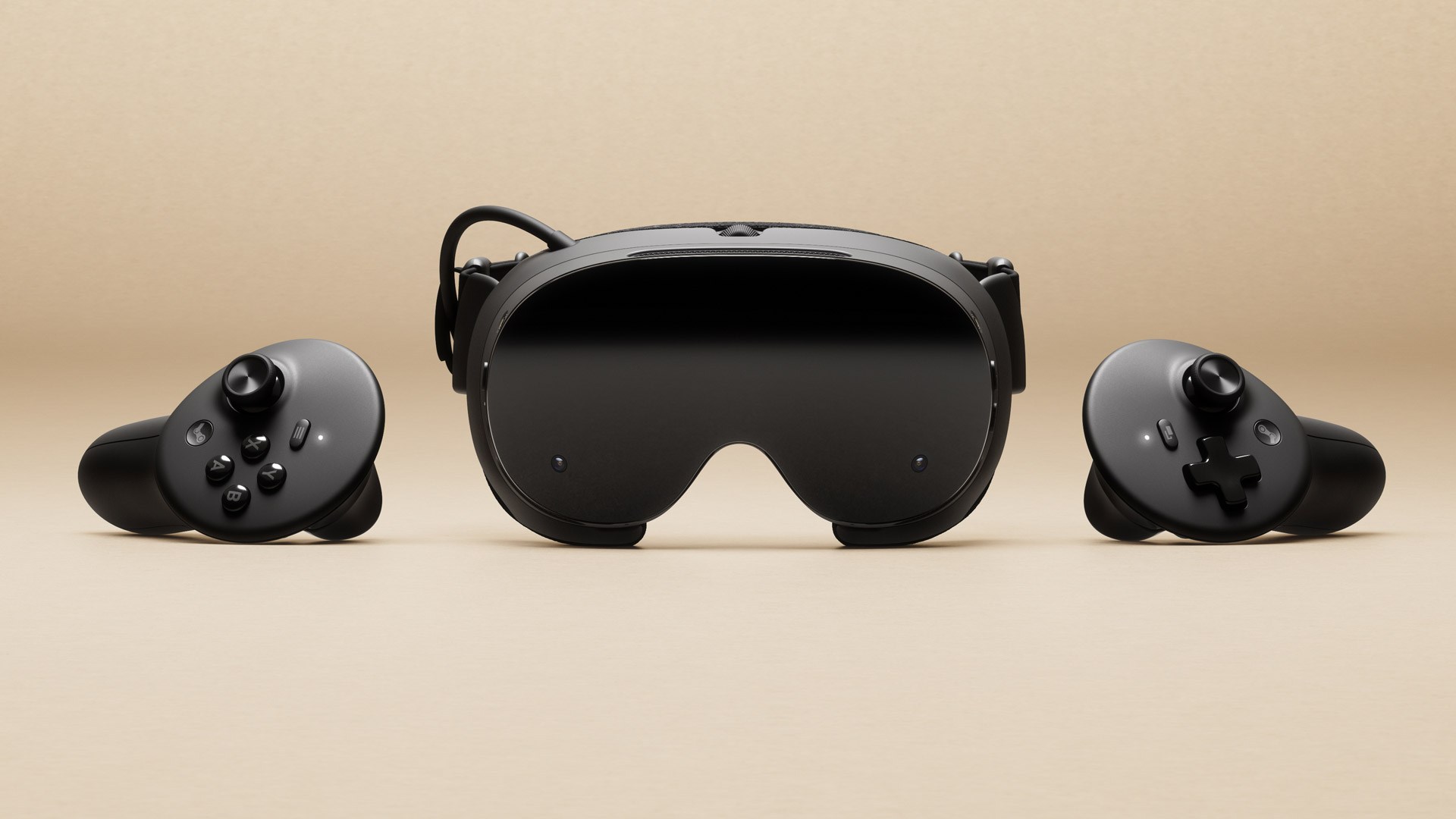
Valve, the company behind the Steam platform, has just launched the Steam Frame: a standalone virtual reality headset priced at $1,059, which runs independently without a dedicated PC while remaining able to connect to one for more demanding experiences. Over 130 applications are already certified compatible at launch, and an optional $149 accessory adds a color camera to overlay the real environment onto the virtual scene. The headset is available for pre-order now, with first deliveries already underway.
In practice, hardware is often a stumbling block in industrial immersive training projects: you need a high-performance PC for each headset, a network infrastructure, and dedicated maintenance. The Steam Frame changes part of that equation by removing the PC dependency. For maintenance or training teams spread across multiple sites, a standalone headset that works offline is a genuine logistical advantage. One caveat worth noting: the Steam Frame is primarily aimed at consumers and gaming environments. Industrial use cases — data privacy, ruggedness, fleet management, integration with existing systems — require specific evaluation before any production deployment. This is exactly the ground we're exploring with several industrial clients, to properly assess this type of hardware against real-world operational constraints.
130 certified apps at launch, no PC required: the Steam Frame lowers the barrier to entry for standalone VR, but its industrial positioning still needs to be established.
🔗 Conseil 3D has done it: Training operators on complex procedures in a safe virtual environment, without setting foot in a hazardous area. Explore the project →
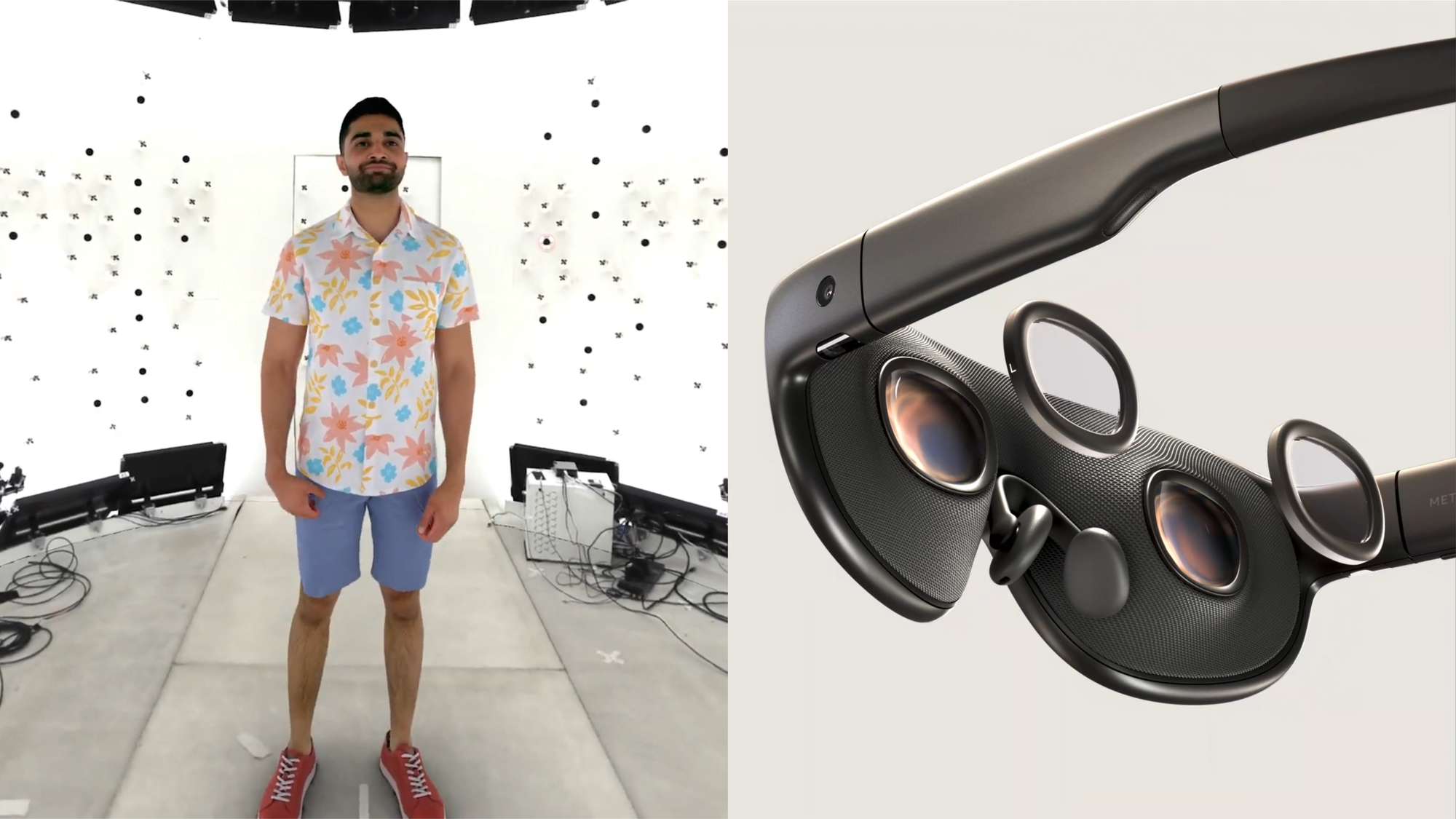
Meta is set to unveil a new high-end mixed reality headset (codenamed "Phoenix") at its annual Connect conference, alongside a standout new feature: photorealistic full-body digital representations of participants, generated in real time during video calls. The goal is to create a sense of presence that feels close to a hologram during remote meetings. These announcements have not yet been officially confirmed by Meta at the time of publication, but multiple converging sources consider them highly likely. The launch remains to be confirmed.
For your R&D teams or innovation leads, this development opens up a concrete possibility: project review meetings, remote training sessions, or product demonstrations where participants truly "see" each other — with a far stronger visual presence than a grid of faces on a screen. Real-time avatar quality is reaching a level that makes professional use genuinely credible. That said, it will be worth waiting for field feedback on stability, latency, and network requirements before considering large-scale deployment in constrained industrial environments. This is precisely the kind of evaluation we conduct with our clients before making any hardware recommendation.
"A hologram-like calling experience": Meta is betting on avatar realism to convince businesses to embrace collaborative work in mixed reality.
💡 Hardware developments are moving fast, and choosing the right equipment for your specific use cases is a decision that matters.
📩 Request a conversation with an XR expert to identify the right options for your context
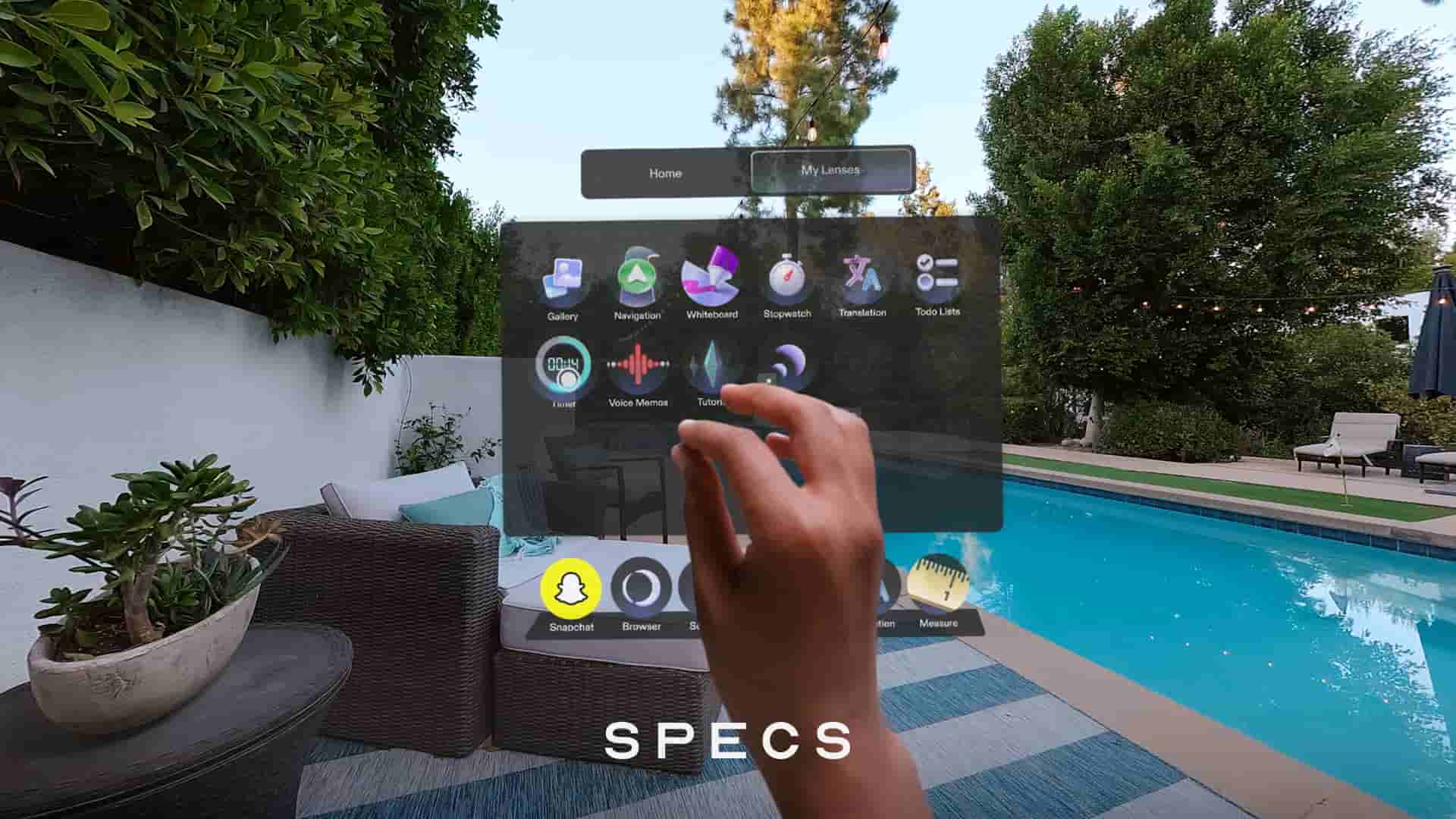
Snap officially unveiled its "Specs" glasses at an event in Los Angeles: standalone augmented reality glasses capable of displaying information and content directly in the user's field of view, with no headset or smartphone required. They feature a multi-platform AI assistant, optional cellular connectivity via a charging case, and were demonstrated live by Snap's CEO. The commercial launch is scheduled for fall 2026.
For marketing and innovation teams, the opportunity here is significant: consumer-grade connected glasses now entering the market — Snap, Meta Ray-Ban, and others to come — create a new touchpoint between a brand and its audience. Imagine a product discovery experience or a guided tour that appears directly in a visitor's field of vision, no phone required — that opens up marketing and training use cases we could barely sketch out two years ago. These devices are still in their consumer launch phase: industrial use cases (durability, extended battery life, centralized management) will need to be evaluated on a case-by-case basis. We're closely tracking these developments for our industrial sector clients.
With an AI assistant that "anticipates" user needs and content displayed directly in the field of view, Snap's Specs lay the groundwork for a new relationship between information and the physical world.
🔗 Conseil 3D has done it: Building an augmented reality application that gives field teams contextual information overlaid on their real environment, to speed up maintenance operations. Explore the project →
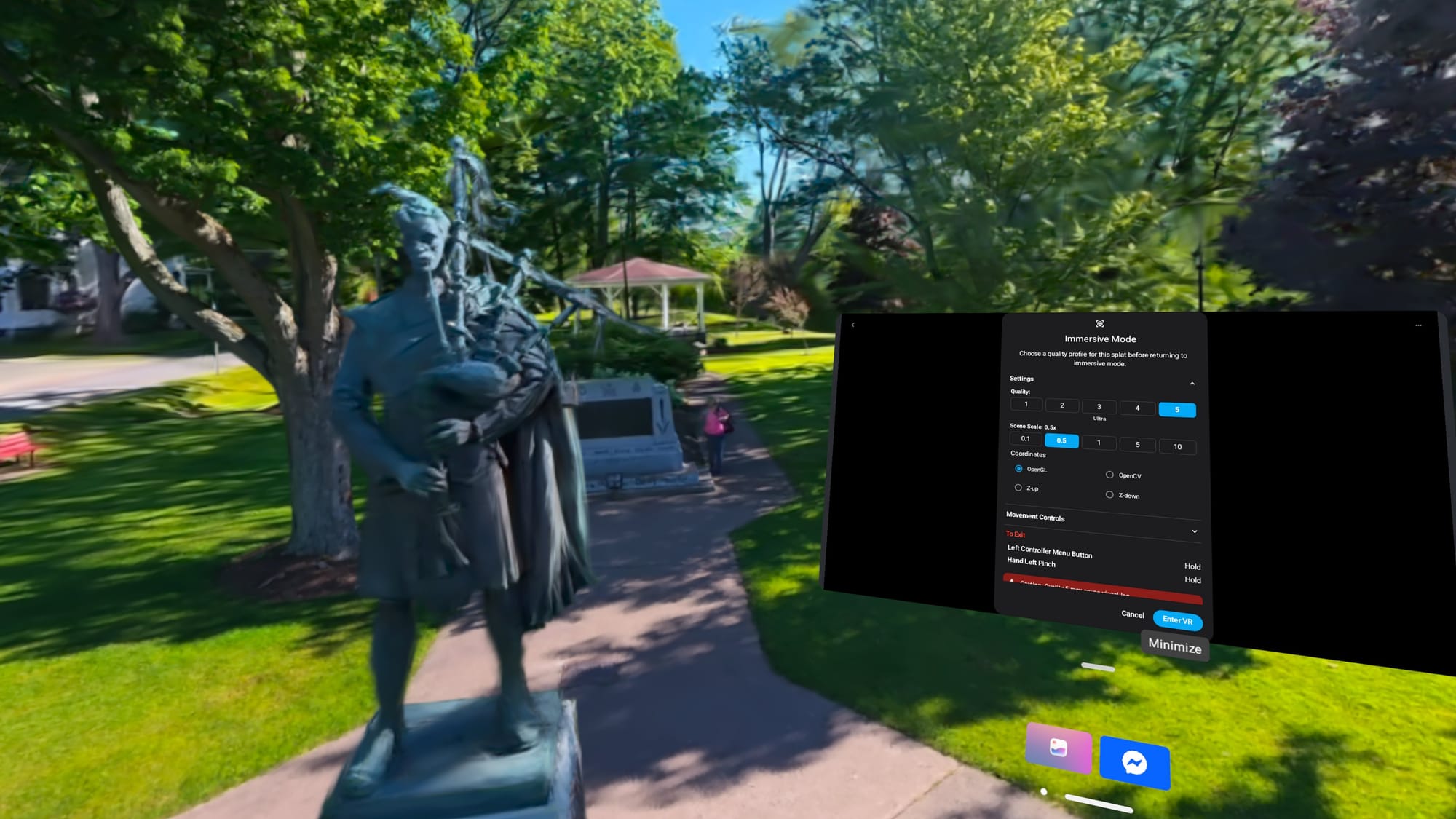
Blender, the world's most widely used open-source 3D creation software, has announced that version 5.3 will include native support for a technology that turns photos or video footage of a real location into a 3D representation usable directly inside the software. In practice: photograph a machine, a workspace, or a piece of equipment, and you get an accurate 3D scene — no manual modeling required. Until now, this capability was limited to specialized tools and required a separate processing pipeline. Version 5.3 has been announced but is not yet available at the time of publication.
What this means in practice for your training or technical documentation projects: recreating the exact environment of a workshop, control room, or specific piece of equipment in 3D has often been time-consuming and costly, requiring every element to be modeled by hand. By integrating this capability directly into the creation tool, that step could be significantly reduced. However, it's important to be clear about the current limitations: the resulting scene is visually accurate, but it is not a "clean" 3D model in the technical sense. It cannot be directly animated, nor is it optimized for deployment on a VR headset or a low-powered tablet. Technical adaptation work is still needed to integrate these captures into an interactive application. This is precisely where production expertise comes in — turning a raw capture into an experience that works in real-world conditions.
Blender 5.3 will make 3D capture of real-world scenes accessible to every creative studio — but bridging the gap between a faithful capture and a deployable interactive application still requires specific expertise.
Unity, one of the two most widely used 3D and XR creation engines in the world (alongside Unreal Engine), has officially launched two extensions that connect AI assistants directly to its development environment. These extensions give the AI assistant 29 Unity-specific capabilities: generating code, creating objects in the scene, adjusting parameters, and running automated tests. In short: a portion of the repetitive development work can now be handed off to an assistant — available right now.
For teams commissioning XR applications, simulators, or industrial serious games, this has an indirect but real impact: production cycles can shorten on repetitive technical tasks, freeing up time for what actually matters — instructional design, user experience, and alignment with real operational needs. It would be misleading, however, to assume that AI in Unity replaces experienced developers: it assists them on well-defined tasks, but architecture design, optimization across different platforms (VR headset, tablet, PC), and integration with existing industrial systems remain human skills that cannot be automated at this stage. What these tools change is productivity on specific phases — not the nature of expert work itself.
29 AI capabilities built into Unity: industrial XR content creation won't happen overnight, but certain development phases will move faster for studios that know how to use them.
🔗 Conseil 3D has done it: Developing multi-platform XR applications to train operators on precise technical procedures, deployed across PC, tablet, and headset depending on field constraints. Explore the project →
Fall 2026 confirms a deeper trend: XR and AI tools are advancing simultaneously across hardware, creation software, and user interfaces. The result is a convergence that makes industrial immersive projects both easier to initiate and harder to navigate alone: choosing the right hardware, assessing production tools, evaluating the actual maturity of each technology before incorporating it into a sensitive project — these are decisions with long-term consequences.
The functions most directly affected right now are training (new standalone headsets, AI assistants in creation tools), industrial marketing (connected glasses, photorealistic avatars), and R&D (real-world 3D capture integrated into software). But behind every announcement lies the same practical question: how mature is this technology, and how does it fit into a realistic industrial roadmap?
💡 These developments are worth examining in the context of your current projects and your strategic roadmap.
📩 Schedule a conversation for concrete feedback on a use case similar to yours


